

Coffee lovers are always on the hunt for the best brew. Some are willing to pay top dollar for a truly special cup. The world’s most expensive coffees can cost hundreds or even thousands of dollars per pound.
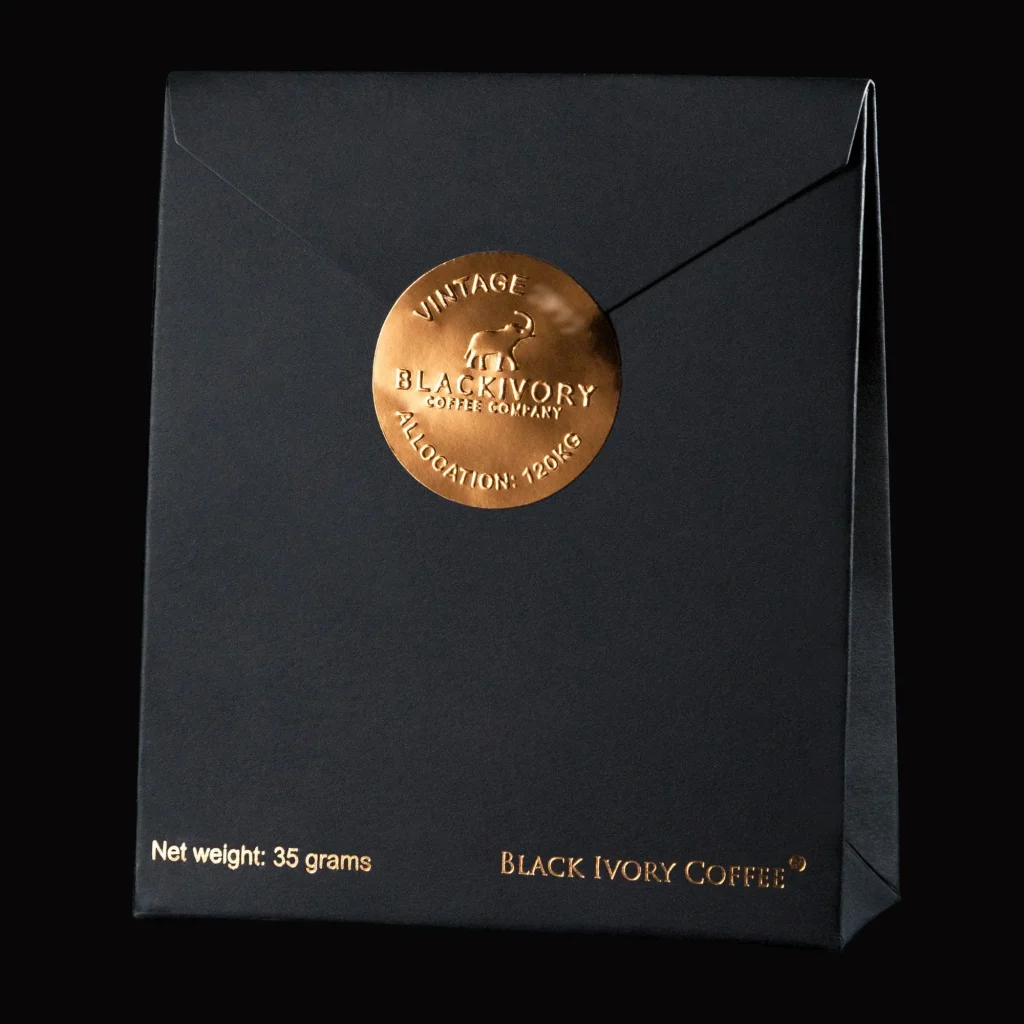
The priciest coffee in the world is Black Ivory, which sells for about $1,100 per pound. This rare coffee comes from Thailand, where elephants eat coffee cherries and pass the beans. The process changes the taste, making it smooth and unique. Other high-end coffees include Kopi Luwak from Indonesia and Ospina Dynasty from Colombia.
Coffee fans say these pricey beans have complex tastes not found in regular coffee. While most people can’t afford them, they show how diverse and special the world of coffee can be. Let’s find out more about the most expensive coffee brands in the world.
Table of Contents
The 5 Most Expensive Coffee Brands
Coffee lovers often seek out rare and luxurious brews. Some coffee brands command eye-popping prices due to their unique production methods or limited availability.
Here are 5 of the most expensive coffee brands in the world:
- Black Ivory Coffee – $1,100 per pound
- Produced from coffee cherries eaten by elephants
- Has a unique flavor profile with hints of chocolate
- Kopi Luwak – Up to $500 per pound
- Made from coffee beans eaten and digested by civets
- Known for its smooth, less acidic taste
- Hacienda La Esmeralda – $350 per pound
- Grown in Panama’s Chiriqui region
- Prized for its complex floral and fruity notes
- Jamaican Blue Mountain – $240 per pound
- Cultivated in Jamaica’s Blue Mountains
- Noted for its mild flavor and lack of bitterness
- Ospina Dynasty Coffee – $240 per pound
- Produced by Colombia’s oldest coffee company
- Comes from beans grown at high altitudes
These premium coffees offer unique flavors and experiences for those willing to pay top dollar. Their rarity and labor-intensive production methods contribute to their high prices.
The Allure of Exclusivity
Rare and costly coffees captivate coffee lovers worldwide. These prized beans offer unique flavors and stories that set them apart. They are so much in demand that there are some exclusive coffee shops which sell only these unique brands. Not a bad idea to open one of these in your City. Here are a a few unique coffee shop names to go with your new shop if you choose to open one.
Understand the Appeal
Expensive coffees create a sense of luxury. People enjoy feeling special when they drink rare brews. Some coffee fans seek out these pricey cups to show off their taste and wealth.
Many are drawn to the stories behind exclusive coffees. Kopi Luwak, for example, comes from coffee cherries eaten by Asian palm civets. This unusual process adds to its mystique and high price tag.
Scarcity plays a big role too. Limited supplies of certain coffees make them more desirable. Buyers feel they’re getting something truly one-of-a-kind.
Hallmarks of Luxury Coffees
Top-tier coffees often come from small, hard-to-reach farms. These areas have perfect growing conditions that produce amazing flavors.
Quality is key for expensive coffees. Farmers pick only the best beans by hand. Expert roasters then bring out the beans’ best qualities.
Fancy packaging helps set luxury coffees apart. Brands use eye-catching designs and high-end materials to match the coffee’s status.
Tasting notes for pricey coffees can be complex. They might include hints of chocolate, fruit, or spices. Coffee pros use special words to describe these flavors.
Notable Varieties
The coffee world offers some truly remarkable and expensive varieties. These unique coffees stand out for their exceptional flavors, rare production methods, and limited availability.
Kopi Luwak Coffee
Kopi Luwak is one of the priciest coffees on the planet. It comes from Indonesia and has a unique production process. Asian palm civets eat coffee cherries and partially digest them. The beans are then collected from their droppings.
This process gives the coffee a distinct taste. It has less bitterness and a smooth, earthy flavor. Some describe hints of chocolate or caramel.
Kopi Luwak can cost up to $1,000 per pound. The high price is due to its rarity and labor-intensive production. Many coffee lovers seek it out for its novelty and unique taste profile.
Black Ivory Coffee
Black Ivory Coffee is another expensive and unusual variety. It’s made in Thailand using a process similar to Kopi Luwak. Instead of civets, this coffee passes through elephants.
The elephants eat Arabica coffee cherries along with their normal diet. Their digestive system breaks down the coffee’s proteins. This results in a smooth, non-bitter taste.
Black Ivory Coffee is extremely rare. Only about 150 kg is produced each year. It can cost over $1,000 per pound. The taste is described as delicate with notes of chocolate and spice.
Jamaican Blue Mountain Coffee
Jamaican Blue Mountain Coffee is prized for its mild flavor and lack of bitterness. It grows in the Blue Mountains of Jamaica at elevations between 3,000 and 5,500 feet.
The growing conditions in this region are ideal for coffee. Cool temperatures, high rainfall, and rich soil contribute to its unique taste. It has a clean, mild flavor with a slight sweetness.
This coffee is strictly regulated. Only beans grown in the specific Blue Mountain region can use the name. It typically costs $50-$60 per pound. Its rarity and labor-intensive production contribute to the high price.
Geisha Coffee
Geisha coffee has gained fame in recent years for its exceptional flavor. It originally came from Ethiopia but is now grown in several countries. Panama produces some of the most sought-after Geisha beans.
This coffee has a light body and complex flavor profile. It often has floral and fruity notes. Some describe tastes of jasmine, bergamot, or peach.
Geisha coffee can command extremely high prices. In 2019, a pound sold for over $1,000 at auction. Its popularity stems from its unique taste and limited production. Many coffee enthusiasts consider it one of the finest varieties in the world.
Key Producing Regions
Some of the world’s most expensive coffees come from specific regions known for their unique growing conditions and processing methods. These areas produce rare, high-quality beans that command premium prices.
Indonesia
Indonesia is home to several prized coffee varieties. Sumatra’s Kopi Luwak, made from beans eaten and partially digested by civets, is one of the costliest coffees globally. Java and Sulawesi also produce sought-after beans.
Indonesian coffees often have:
- Earthy, full-bodied flavors
- Low acidity
- Notes of chocolate or spice
The volcanic soil and tropical climate create ideal growing conditions. Small farms use traditional methods to cultivate and process the beans.
Hawaii
Kona coffee from Hawaii’s Big Island is among the priciest in the world. The area’s volcanic soil and sunny climate produce beans with a smooth, rich taste.
Kona coffee features:
- Medium body
- Bright acidity
- Sweet, fruity notes
Strict regulations ensure only coffee grown in the Kona district can use the name. Limited production and high labor costs contribute to its hefty price tag.
Ethiopia
Ethiopia, the birthplace of coffee, grows some of the most expensive varieties. Yirgacheffe and Sidamo regions are known for their high-quality Arabica beans.
Ethiopian coffees are prized for their:
- Complex, floral aromas
- Bright acidity
- Wine-like flavors
Many farms use traditional, natural processing methods. This involves drying the coffee cherries in the sun, which adds to the beans’ unique taste profile.
Panama
Panama’s Gesha (or Geisha) coffee is one of the most expensive in the world. It’s grown mainly in the Boquete region, known for its high altitude and cool climate.
Gesha coffee is notable for its:
- Delicate, tea-like body
- Jasmine and bergamot aromas
- Complex flavor profile
The rarity of Gesha plants and labor-intensive harvesting process drive up prices. Top lots can sell for hundreds of dollars per pound at auction.
In-Depth: Production and Processing Techniques
The world’s most expensive coffees undergo unique production methods. These processes involve specialized harvesting, careful processing, and expert roasting to create exceptional flavors.
Unique Harvesting Methods
Some rare coffees are harvested in unusual ways. Kopi Luwak, a famous expensive coffee, comes from coffee cherries eaten and partially digested by Asian palm civets. Workers collect the civets’ droppings containing coffee beans. This process is said to change the beans’ flavor.
Another unique method is used for Black Ivory Coffee. Elephants in Thailand eat coffee cherries along with their regular diet. The beans are then picked from their dung. Only a small amount is produced each year.
These animal-processed coffees are very rare. This rarity contributes to their high price.
Processing and Fermentation
After harvesting, the coffee beans go through special processing. For regular coffee, this means removing the fruit from the bean. But expensive coffees often use extra steps.
Some producers use extended fermentation times. This can create more complex flavors. Others use special washing techniques or add fruit juices during processing.
These steps are done carefully by hand. It takes more time and effort than machine processing. The goal is to bring out unique tastes in the coffee.
Roasting and Flavor Profile
The final step is roasting the beans. Expert roasters handle this part. They use precise temperatures and timing to get the best flavor.
Expensive coffees often have distinct taste profiles:
- Smooth texture
- Low acidity
- Complex aromas
- Rich, balanced flavors
Roasters aim to highlight the beans’ natural qualities. They might use light roasts to keep delicate flavors. Or they could use medium roasts to bring out sweetness.
The end result is a cup of coffee with unique characteristics. These special traits justify the high prices for coffee lovers.
The Economics of Scarcity
Coffee scarcity drives up prices for rare and high-quality beans. Climate change and supply chain issues add to the cost of premium coffees. This impacts both producers and consumers in the specialty coffee market.
Cost Factors
Rare coffee varieties often come with hefty price tags. Kopi Luwak, made from beans eaten and excreted by civets, can cost $100-$600 per pound. Climate change threatens coffee-growing regions, potentially making some beans even scarcer. Brazil, the world’s largest producer, may see suitable land for coffee decline by 79%.
Labor costs also play a big role. Hand-picking and processing add to expenses. Transportation and export fees further increase prices. Roasters then mark up the beans before selling to cafes and consumers.
Comparing Prices
Coffee prices vary widely based on quality and scarcity. Here’s a quick comparison:
- Typical supermarket coffee: $5-$15 per pound
- Specialty coffee: $15-$25 per pound
- Rare varieties: $50-$600+ per pound
The most expensive coffees often come from small batches or unique processing methods. Black Ivory Coffee, made using elephants, sells for over $1,000 per pound.
Prices can change quickly due to supply issues. In 2022, coffee futures hit their highest levels since 2011 due to drought and frost in Brazil.
Investment Perspective
Some view rare coffees as investment opportunities. Limited supply and growing demand can drive up values. However, coffee is perishable, making long-term storage difficult.
Investing in coffee futures is another option. These contracts let traders bet on future coffee prices. But this carries risks, as prices can be volatile.
Coffee companies offer a more stable investment route. Major chains and specialty roasters may benefit from rising coffee prices. Their stock values could increase if rare beans become even scarcer.
Small-scale farmers face challenges from climate change and price swings. Supporting fair trade practices can help ensure farmers earn living wages despite market fluctuations.
Tasting Notes
The world’s most expensive coffees offer unique flavor profiles and sensory experiences. These rare brews feature complex taste combinations and aromatic qualities that set them apart.
Profile Characteristics
Expensive coffees often have rich, layered flavors. Many feature chocolate notes, ranging from dark cocoa to milk chocolate. Fruity tastes are common too. Some have hints of berries or cherry. Floral notes like jasmine pop up in certain varieties.
Sweetness is another key trait. Some pricey coffees have caramel or coconut undertones. The best ones balance sweetness with a gentle bitterness. This gives depth without being harsh.
Sensory Experience
Drinking these coffees is about more than taste. The smell is a big part of it. Many have strong, pleasant aromas that hint at their flavors.
The mouthfeel is often smooth and full-bodied. Some have a light syrupy quality. Others feel silky on the tongue. The finish can linger, with flavors that stay after each sip.
Acidity levels vary. Some have a bright, crisp quality. Others are more mellow. The best maintain good balance between all elements.
Environmental and Ethical Considerations
The production of expensive coffee raises important issues about wildlife impact and worker conditions. These factors shape the true cost of luxury coffee beyond just price.
Impact on Wildlife and Habitats
Some high-end coffees rely on wild animals for processing. Kopi luwak uses civet cats to digest coffee cherries. Black Ivory coffee uses elephants. This creates demand for keeping wild animals in captivity.
Civet cats are often caged in poor conditions. They may be force-fed coffee cherries. This harms their health and natural behaviors.
Elephant-processed coffee aims to be more ethical. It uses rescue elephants in sanctuaries. Still, there are concerns about using animals for human luxury goods.
Coffee farms can also destroy natural habitats. Clearing land for coffee plants reduces wildlife areas. This affects many species beyond just civets and elephants.
Labor and Production Ethics
Expensive coffee doesn’t always mean fair worker pay. Many coffee pickers earn very low wages. They often lack basic rights and safe working conditions.
The production process can be risky. Workers may handle animal feces to collect coffee beans. This poses health hazards without proper safety gear.
Some brands now focus on ethical sourcing. They ensure fair pay and good working conditions. These coffees may cost more but support sustainable practices.
Certifications like Fair Trade can help. They set standards for worker treatment and environmental care. But not all expensive coffees have these safeguards.
Connoisseurship and Consumer Culture
Coffee culture has evolved, with connoisseurs seeking out rare and expensive brews. This shift has impacted coffee shops, consumer preferences, and industry trends.
Connoisseur’s Selection
Coffee connoisseurs prize exclusive and rare beans. Koa Coffee from Hawaii and Ospina Dynasty from Colombia are sought after for their unique flavors. These coffees can cost hundreds of dollars per pound.
Some enthusiasts compare coffee tasting to wine appreciation. They focus on flavor notes, acidity, and body. Cupping sessions help develop palates.
Gesha coffee from Panama is prized for its floral aroma and tea-like body. It often sells for over $100 per pound. Japanese coffee lovers are known for their discerning tastes, often willing to pay premium prices.
Coffee Shops and Exclusive Offerings
High-end coffee shops now offer rare bean selections. Some use siphon brewers or pour-over methods to highlight flavors. These shops may charge $10 or more for a single cup.
Paris has seen a surge in specialty coffee shops. They focus on single-origin beans and precise brewing methods. Many offer tasting flights to educate customers.
Some shops roast beans in-house for freshness. Others partner with small-batch roasters. Baristas often undergo extensive training to prepare these premium coffees properly.
Industry Trends
The coffee industry has embraced the “third wave” movement. This focuses on coffee as an artisanal product, not just a commodity. Roasters highlight bean origin and processing methods.
Direct trade relationships between roasters and farmers are growing. This ensures quality and fair prices. Some roasters travel to origin countries to select beans personally.
Consumers show increased interest in sustainability and ethics. Many are willing to pay more for coffee that is organic or Fair Trade certified. Cold brew and nitro coffee have gained popularity, especially among younger drinkers.
